Why Steel is the Superior Choice

Steel Frame vs Timber Frame
When it comes to construction, one of the most important decisions you’ll make is choosing the right framing material. Steel frames and timber frames are two of the most commonly used materials in building homes and commercial structures. While timber has been a traditional choice for centuries, steel frames are gaining popularity due to their superior strength, durability, and long-term benefits. In this blog, we will explore the advantages of steel frames over timber frames, helping you make an informed decision for your next project.
What are Steel Frames and Timber Frames?
Before diving into the advantages, it’s important to understand what these two framing materials entail.
-
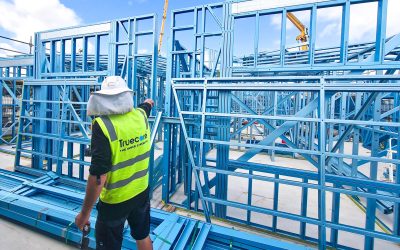
Steel Frames: Made from steel sections, these frames are typically used in commercial buildings, industrial structures, and increasingly in residential homes. Steel framing provides high tensile strength and is highly resistant to the elements.
-
Timber Frames: Timber frames are constructed from wood and are often used in traditional homebuilding. While they offer aesthetic appeal and insulation benefits, timber is susceptible to environmental damage over time.
1. Strength and Durability
One of the most significant advantages of steel frames over timber frames is their strength. Steel is a much stronger material than timber, making it better suited for larger and more complex structures. This increased strength makes steel frames an ideal choice for buildings that need to withstand extreme weather conditions, such as heavy storms or seismic activity.
-
Steel frames can handle larger loads without warping or bending, ensuring structural integrity over time.
-
Timber frames are more prone to warping, bending, and even cracking under pressure, especially in areas with high moisture levels or temperature fluctuations.
2. Longevity and Maintenance
Steel frames offer a significant advantage when it comes to long-term durability. Unlike timber, steel is resistant to various environmental factors such as:
-
Termites: Timber frames are highly vulnerable to termite infestations, which can compromise the structural integrity of the building.
-
Rot and Decay: Timber is susceptible to rotting, particularly in areas with high humidity or constant exposure to moisture.
-
Fire: While timber is flammable, steel frames are fire-resistant, making them a safer option in terms of fire protection.
Steel requires minimal maintenance compared to timber, which needs to be regularly treated for pest infestations, water damage, and decay. This can result in long-term cost savings for property owners and builders.
3. Environmental Impact
In today’s world, sustainability and the environmental impact of construction materials are becoming more important than ever. While timber is a renewable resource, steel frames are generally considered more environmentally friendly in the long run.
-
Recyclability: Steel is 100% recyclable, which makes it a more sustainable option compared to timber. Steel framing can be reused and repurposed, reducing waste and contributing to a circular economy.
-
Sustainability of timber: While timber is renewable, unsustainable logging practices can lead to deforestation and habitat destruction. Steel, on the other hand, is produced from recycled scrap, making it a more eco-friendly choice in terms of resource conservation.
4. Precision and Customization
Steel frames offer greater precision during the construction process. Since steel is manufactured in controlled factory environments, it is often more accurate and consistent than timber, which can have natural variations such as knots, warps, and bends.
-
Steel frames can be custom-engineered to precise specifications, ensuring a high level of accuracy and quality control.
-
Timber frames can sometimes be inconsistent in terms of dimensions, which can affect the overall construction process and timeline.
With steel, there’s also greater flexibility in design, it can support more complex designs and larger spans, enabling architects and builders to create unique structures with fewer limitations.
5. Cost-Effectiveness Over Time
While the initial cost of steel frames may be higher than timber, they often offer better value over the long term. Due to their durability and resistance to various environmental factors, steel requires fewer repairs and replacements over time. This means that, in the long run, you’ll save money on maintenance and repairs.
Additionally, because steel requires less upkeep and is fire-resistant, they can help lower insurance premiums for property owners. The long-term savings can outweigh the initial cost difference, making steel a more cost-effective choice in the end.
6. Faster Construction Time
Steel framing systems are often prefabricated off-site, allowing for quicker installation and faster construction timelines. This can be especially advantageous for large projects or commercial buildings, where time is a critical factor.
-
Steel frames can be assembled and erected quickly, reducing labor costs and ensuring a faster project completion.
-
Timber frames, on the other hand, require more time for on-site cutting, fitting, and adjustments, which can slow down the construction process.
7. Better for Larger Structures
When it comes to larger or multi-story structures, steel offers superior strength and flexibility. Steel is able to support heavier loads and larger spans than timber, making it ideal for high-rise buildings, warehouses, and industrial applications.
Timber framing is generally limited to smaller structures or low-rise buildings, and as the height of a structure increases, the strength and stability of timber decrease.
Conclusion: Steel is the Future of Construction
While timber has been the traditional choice for homebuilding, steel is becoming the preferred option due to their unmatched strength, durability, and long-term benefits. Whether you’re building a residential home, commercial building, or industrial structure, steel frames offer superior performance and peace of mind.
With advantages like minimal maintenance, fire resistance, eco-friendliness, and faster construction, it’s clear why steel frames are the superior choice for your next project.